Optomap Retinal Imaging in Northwest Las Vegas: Do You Still Need Dilation?
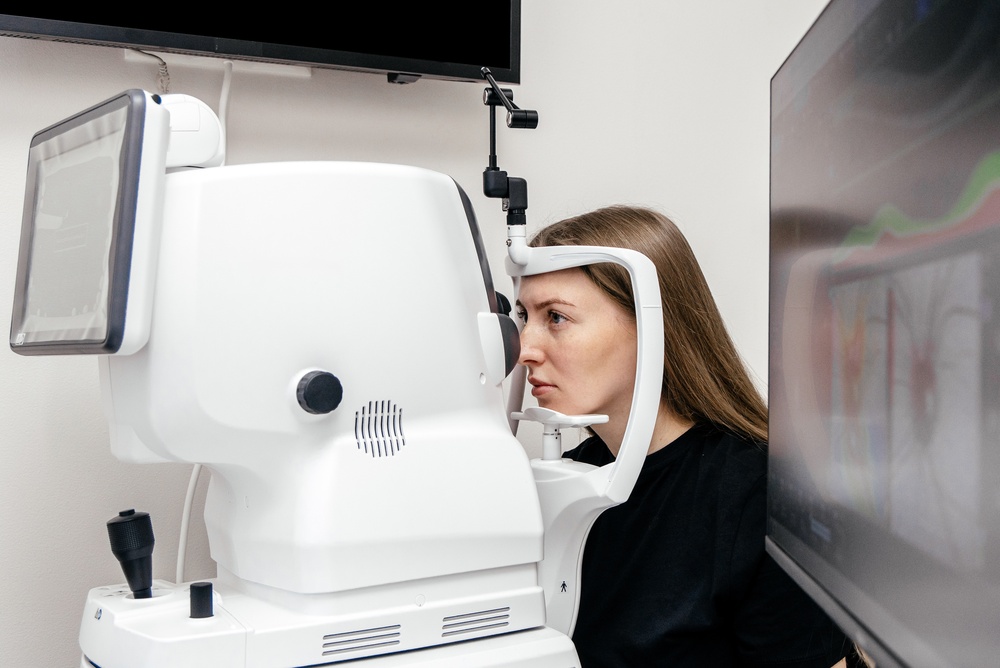
Advancements in retinal imaging technology have made it easier for eye doctors to examine the back of the eye and monitor changes in eye health. One technology patients may have heard about is Optomap retinal imaging, which captures a wide view of the retina without typically requiring dilating drops. But does this mean traditional eye dilation is no longer necessary?
At Advanced Eyecare in Northwest Las Vegas, we believe understanding the differences between retinal imaging and dilation can help patients make informed decisions about their eye health.
What Is Optomap Retinal Imaging?
Optomap is an ultra-widefield retinal imaging technology that captures detailed images of the retina, the light-sensitive tissue at the back of the eye. Unlike conventional retinal photography, Optomap can capture a broader view of the retina in a single image.
These images can help eye doctors identify and monitor signs of conditions such as diabetic retinopathy, retinal abnormalities, and age-related macular degeneration. Retinal imaging also provides a visual record that can be compared during future eye exams to identify changes over time.
Does Optomap Replace Eye Dilation?
Although Optomap retinal imaging offers valuable information, it does not completely replace a dilated eye exam. During dilation, we use special eye drops to enlarge the pupils, allowing us to examine the retina, optic nerve, and surrounding structures more thoroughly. This direct examination can reveal abnormalities that retinal photographs may not capture clearly.
While some patients may not need dilation at every visit, the decision depends on their medical history, symptoms, risk factors, and examination findings.
When Is Eye Dilation Still Necessary?
Even with advanced retinal imaging, dilation may be recommended in several situations, including:
• Diabetes: Patients with diabetes may need dilated retinal examinations to check for diabetic retinopathy and other complications.
• Glaucoma or Macular Degeneration: A closer examination may be necessary to evaluate changes associated with these conditions.
• High Myopia: Patients with significant nearsightedness may have an increased risk of certain retinal problems.
• New Visual Symptoms: Sudden flashes, new floaters, or a curtain-like shadow across your vision require urgent evaluation to rule out retinal tears or detachment.
Our eye doctors determine which examinations are appropriate based on each patient's individual needs.
How Retinal Imaging Fits Into a Comprehensive Eye Exam
At Advanced Eyecare, we use digital retinal photography to document retinal health and complement our clinical examinations. We also use optical coherence tomography (OCT) when appropriate to obtain detailed images of the retina and optic nerve. For patients in Northwest Las Vegas, these technologies support our approach to monitoring eye health and identifying potential concerns.
If dilation is recommended, you may experience temporary blurry near vision and light sensitivity afterward. Our team can explain what to expect and help you prepare for your appointment.
Schedule a Comprehensive Eye Exam in Northwest Las Vegas
Protect your vision with comprehensive eye care at Advanced Eyecare. Visit our office in Las Vegas, NV, or call (702) 737-3937 to schedule an eye exam and learn more about our retinal imaging technology.
Quick Links
Helpful Articles

All Eye Care Services
Find personalized eye care excellence with our comprehensive services. From eye exams to advanced diagnostics, trust us for all your vision needs.

Keep In Touch
For non-urgent questions or to learn more about our services, contact us today!
© 2026 Advanced Eyecare. All rights Reserved - Accessibility Statement - Privacy Policy - Sitemap
Managed and Designed by 